
The Work Before the Work
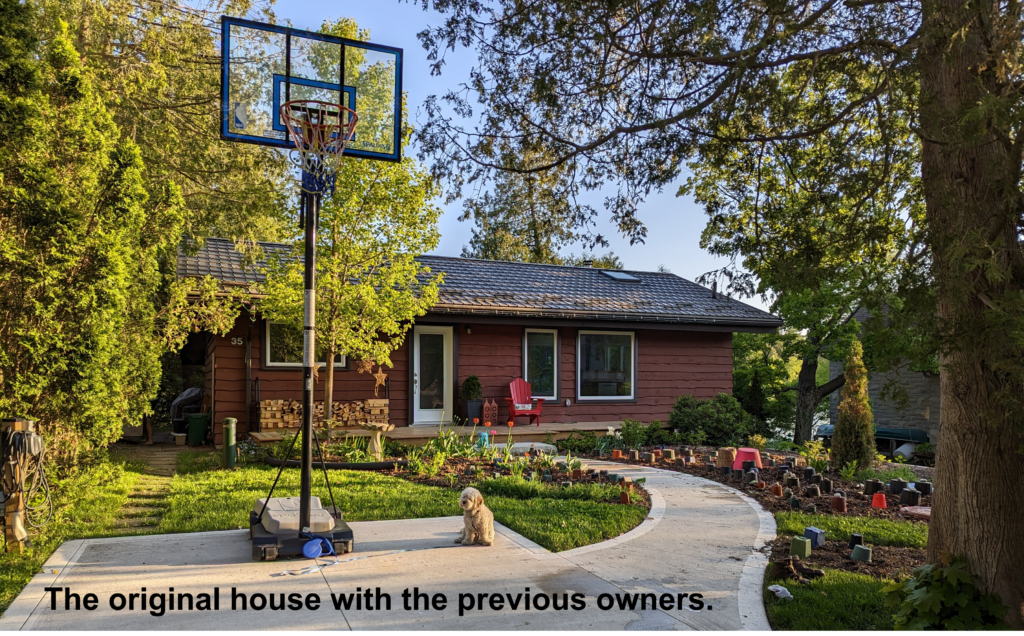
In the spring, my husband and I embarked on an ambitious construction project. We had purchased our dream home, a small bungalow on a lake. It was a bit too small, so we’re adding another bedroom, office and bathroom. We decided to include a full basement for more space and better insulation.
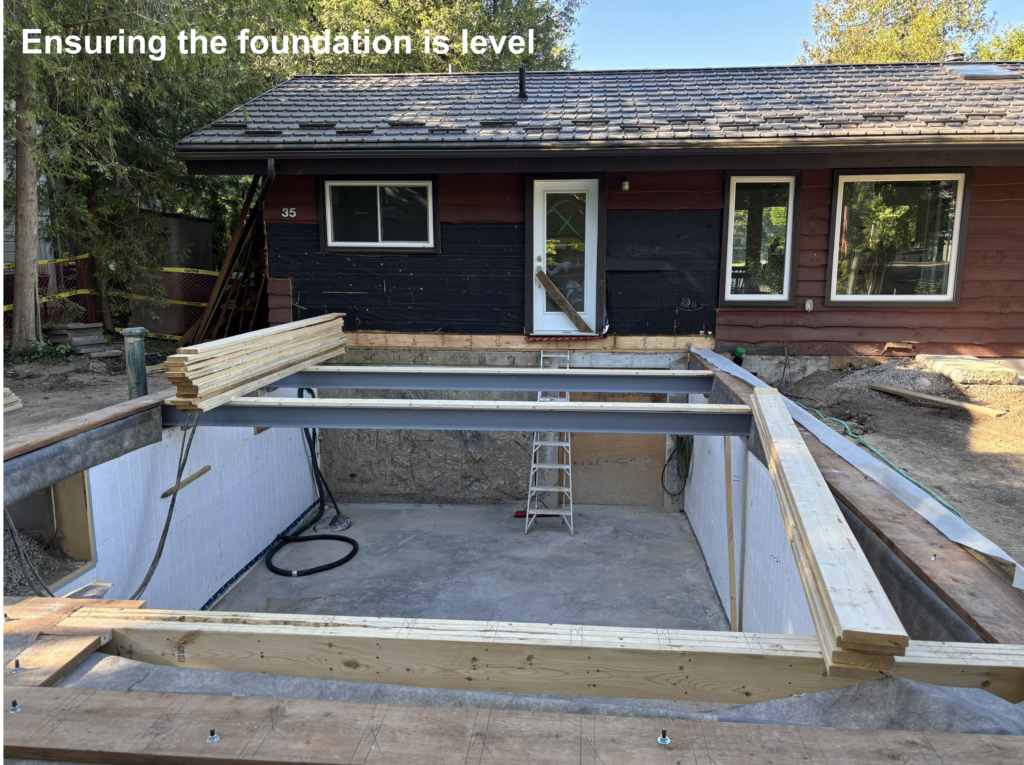
Our framer, Mike, was meticulous in measuring and laying the initial foundation boards. Now that we’re in the final stages and preparing for the floorboards, I realize how important a strong, level foundation is. If the foundation walls are a bit higher or lower, or the initial boards are even a bit off level, the rest of the walls and flooring wouldn’t line up.
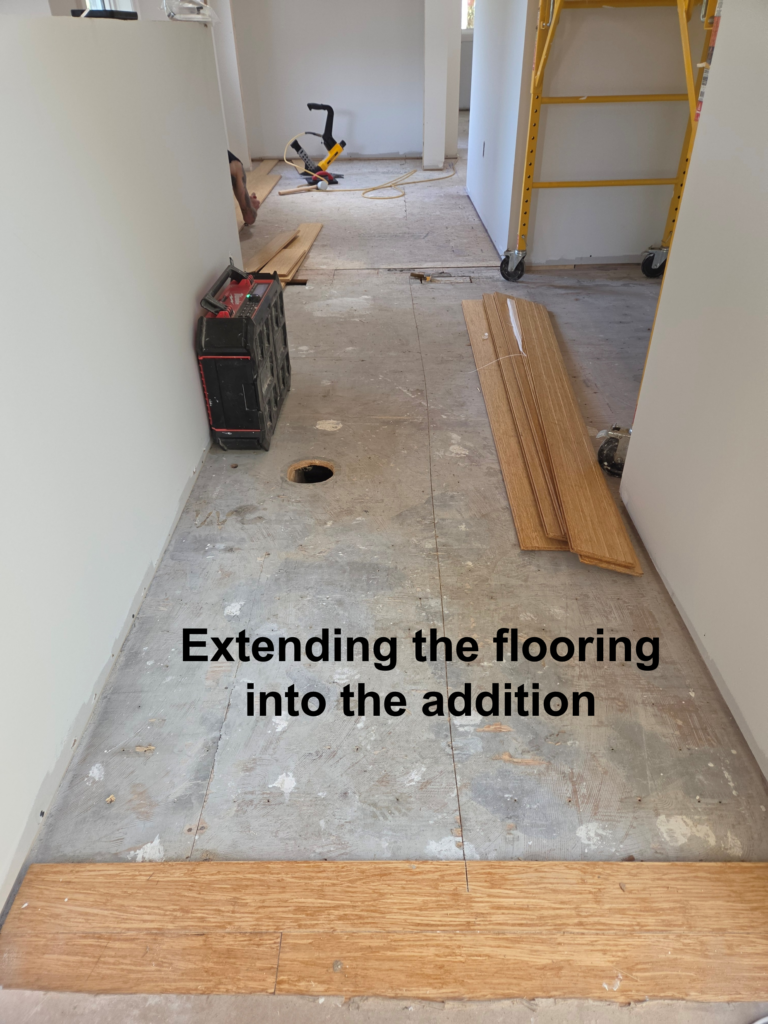
At the time, part of me felt a bit impatient. Mike measured, remeasured and sometimes even measured again. I was eager for things to progress and wished he worked a bit faster. In hindsight, I realize the value of a strong, level foundation.
I think of managers and the importance of building relationships and developing trust. Having a solid foundation with work is just as important. My admin. assistant has been with me for several years. She’s based out of a home office in the Philippines, and I remember when we first started working together, I considered asking her to use time-tracking software. I’m so grateful that she pushed back and said no. As a result, we have a strong relationship based on trust and honesty, and we set clear expectations and communicate regularly as we work together.
I’m working with a senior living organization that operates long-term care and retirement communities across Ontario. We’re working together to change leaders’ perceptions of hiring neurodiverse staff. The sentiment is that it takes too much effort and is too risky. Too much effort to understand their unique needs and find accommodations so they can succeed in their role. Too risky because after all that effort, they could just leave.
The Director of Hospitality that I’m working with has hired neurodivergent staff and agrees there is more upfront effort required. His one employee, though, has been with his organization for seven years. He has been promoted and now has a role that builds on his strengths. He trains new staff because he knows the processes and procedures inside and out! RWA is a Canadian initiative that supports Canadian businesses in hiring people with intellectual disabilities or ASD (Autism Spectrum Disorder). Their research indicates that employers that worked with them demonstrate a 93% retention rate. [1]
So, whether you’re managing remote staff, people with unique needs and strengths to uncover, or leading a team through change, laying a strong foundation is essential. It takes time, but the investment pays dividends in trust, performance, retention and results.
What relationship, conversation, or investment in understanding might feel slow today, but could become the foundation for long-term success tomorrow?
[1] Source: Inclusive Hiring works: The business benefit of hiring people with an intellectual disability or autism spectrum disorder, Ready, Willing & Able (link)
Seeing Through their Lens
I’ve worked with Suzanne [2] for years and have built a relationship of honesty and trust. We were just finishing a meeting when she asked me to linger on the call after the others had left. She shared her frustration with her leader, who seemed to question her work and not value her efforts. She feels her leader undermines her work efforts by making jokes about her priorities and objectives.
Suzanne’s leadership strengths lie in building strong relationships and building consensus in decision-making. She values harmony and helping others. She also enjoys learning new things, taking on initiatives where she can develop new skills, and implementing changes with her peers and team to streamline processes and improve culture and morale.
I’ve met Suzanne’s leader a few times and experienced some aloofness and distraction during meetings and conversations, so I wasn’t wholly surprised by her frustration.
As Suzanne and I talked, it became clear that the challenge wasn’t simply that her leader failed to see the value of her work. The challenge was helping her leader see that value through a lens that mattered to them.
When we feel overlooked, our instinct is often to work harder or take on another project. But influencing others doesn’t always come from doing more. Sometimes it comes from helping others understand the value we’re already providing.
It’s human nature to view actions through our own priorities and experiences. Suzanne values relationships and collaboration, which has served her well in her career. The challenge is that not everyone views success in the same way. While one leader may prioritize a collaborative approach, another may focus primarily on outcomes, risk mitigation, or quick results.
Another challenge in influencing others is that our greatest strengths can be misunderstood. Take Suzanne as an example. Her strength to seek consensus may be perceived as indecisiveness. Or, a thoughtful leader may be viewed as overly cautious. Someone who invests heavily in relationships may be seen as less focused on results. That doesn’t mean we change who we are, but we need to understand how others interpret our actions.
Finally, influencing others requires trust. People are more likely to support us when they trust both our intentions and our ability to deliver. Sometimes leaders don’t need more effort from us. They need clearer evidence of the impact we’re already having and greater confidence that we can help achieve the outcomes they care about.
Suzanne needed to understand what her leader valued and see her actions through a lens that mattered to them. Influence often begins when we stop asking, “Why don’t they understand me?” and start asking, “What might they need from me to understand?”
The next time you feel overlooked, what would change if you focused less on being understood and more on understanding what matters to the other person?
[2] Name has been changed to maintain anonymity.
In case you missed it
I’ve shared some additional posts online. Here they are, in case you missed them.
- Leader-led learning alongside corporate HR (video link)
- Lead, Learn Grow conversation cards: overcoming our fears (video link)
- The Learning Mindset We Need for an AI-Powered Future (video link)
- Sharing the learning load – HR and leaders (video link)
- Beyond Perks: How Embedded Learning Builds Real Employee Engagement (article link)

